Best Wood for Sauna

Alana Farina | 💌 info@thesaunacompany.com
Key takeaways:
Walls and ceilings
Western Red Cedar, or Canadian Hemlock for a neutral scent and lower cost indoors.
Benches, backrests and headrests
Clear grade cedar, aspen or basswood, with no knots.
Outdoor saunas
Western Red Cedar or thermally modified timber such as Thermo Spruce.
Avoid
Radiata pine, treated pine, dense hardwoods, varnish and plywood inside the hot room.
Check before buying
Grade, heartwood content, moisture content at delivery and stainless fixings.
Best Wood for a Sauna at a Glance
Sauna wood selection starts with where the timber sits in the room.
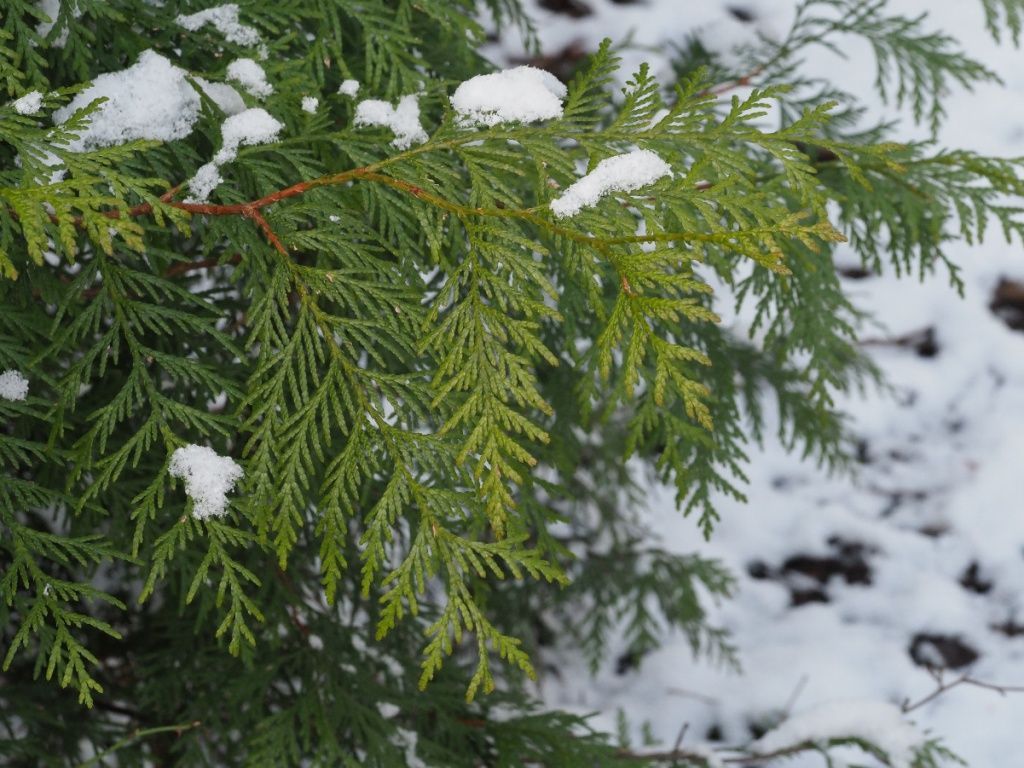
Best choice
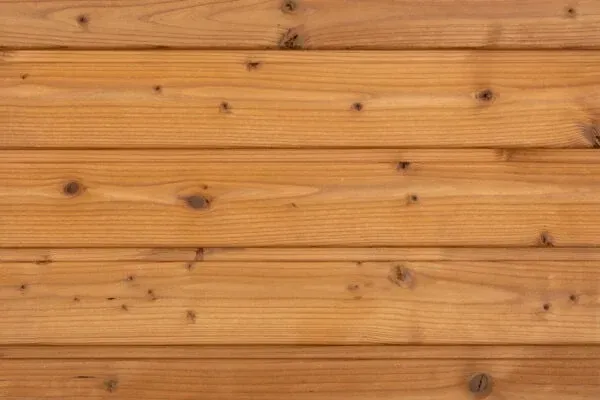
Good alternatives
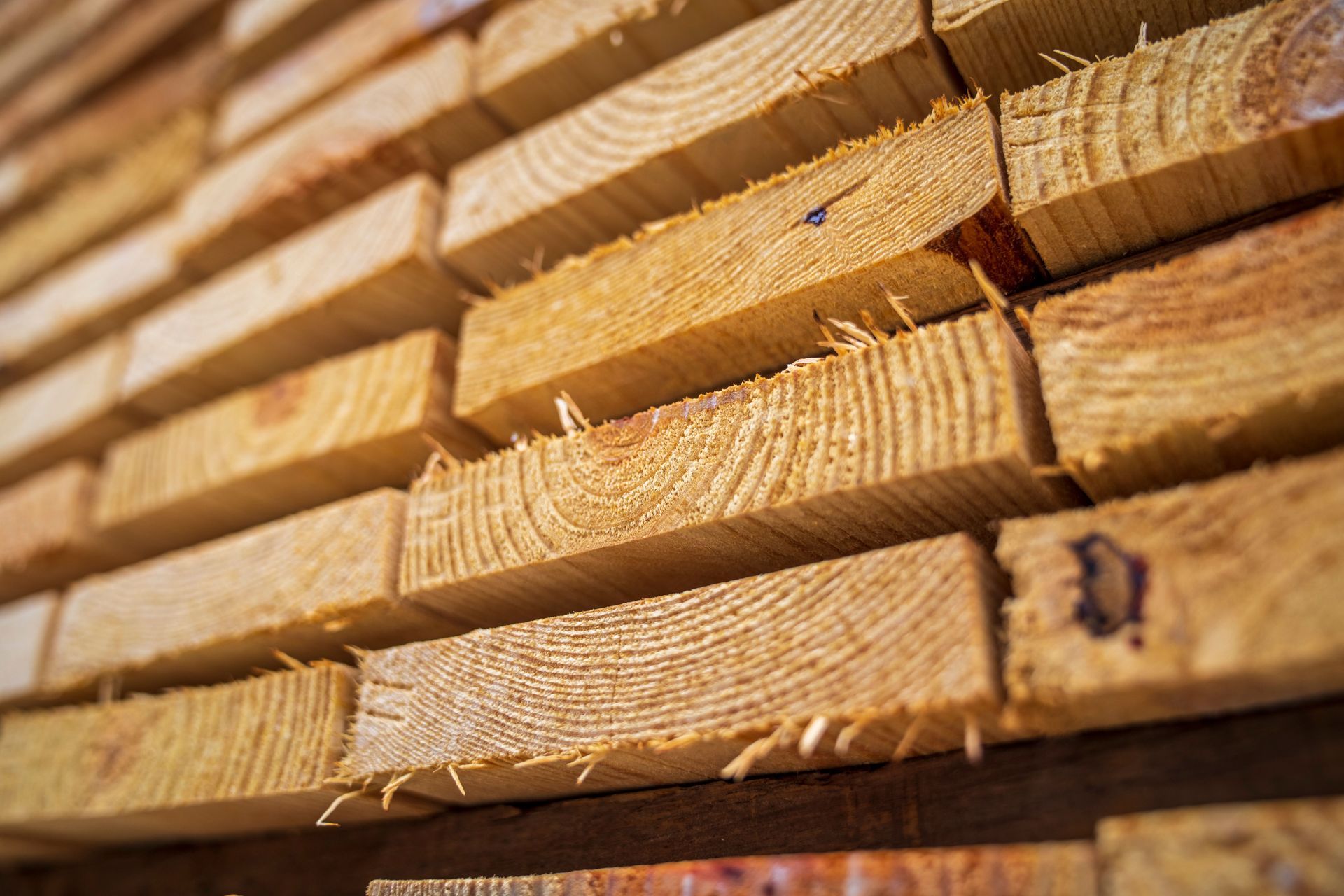
Avoid
The Full Breakdown
There's no single perfect species for every job. The right choice depends on where the timber sits, whether you're building an indoor sauna or an outdoor barrel or cabin sauna, your budget and your aroma preference. Here's how to decide.
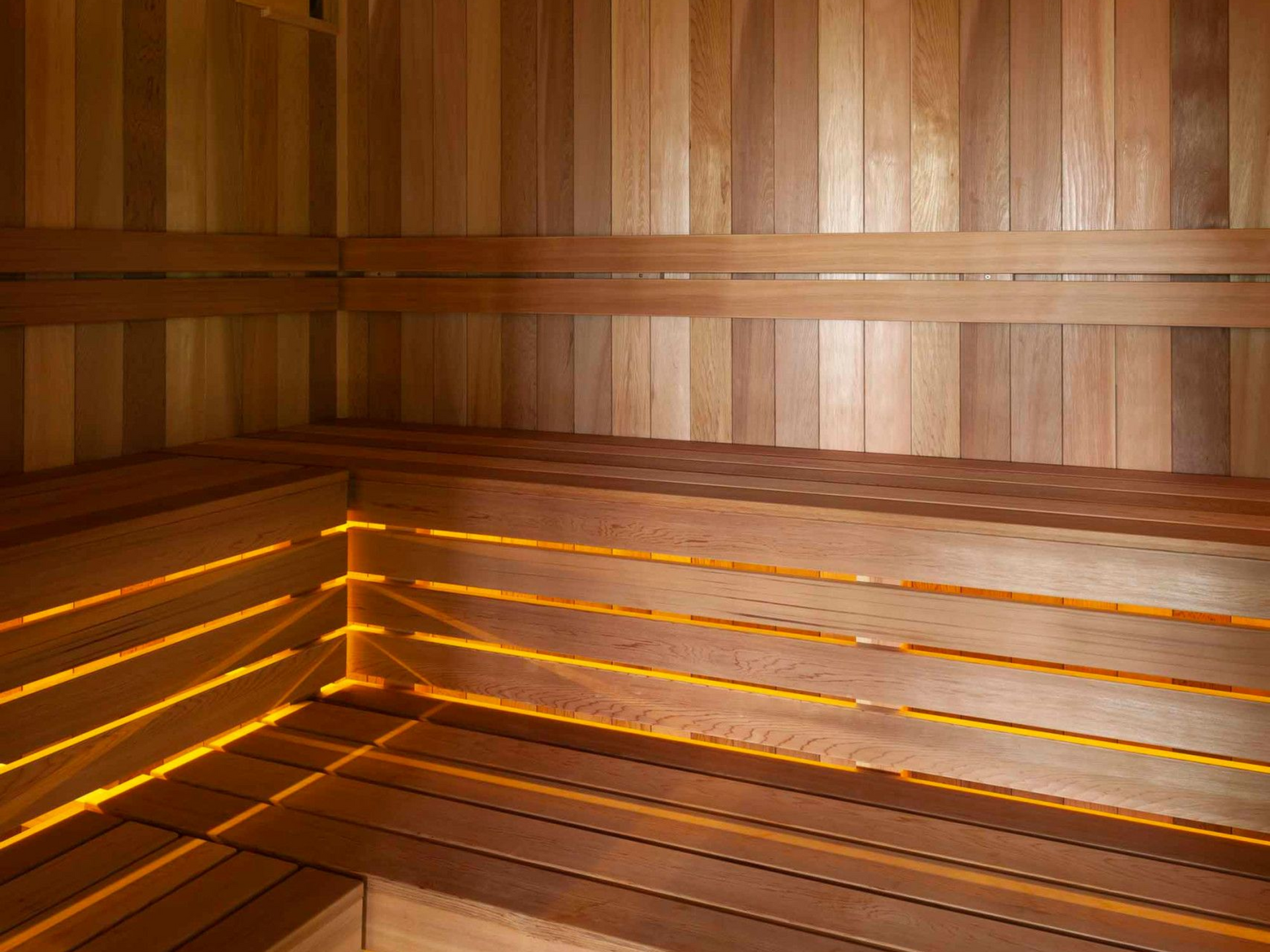
How Do You Choose Wood for Each Part of a Sauna?
Choose sauna wood for the job it does: walls and ceilings need stability and low resin, benches need low density and no knots, and outdoor cladding needs decay and weather resistance.
Walls and ceilings
Walls and ceilings make up most of the timber in your sauna. They take the full heat of the room and the burst of steam every time you throw water on the stones, so they need:
- Dimensional stability, so boards don't shrink, cup or open up gaps through constant moisture cycling.
- Moisture resistance, to cope with humidity rising and falling in every session.
- Low resin content, so there's no sap leakage when the room heats up.
- The right look and aroma for how you want your sauna to feel.
Benches, backrests and headrests
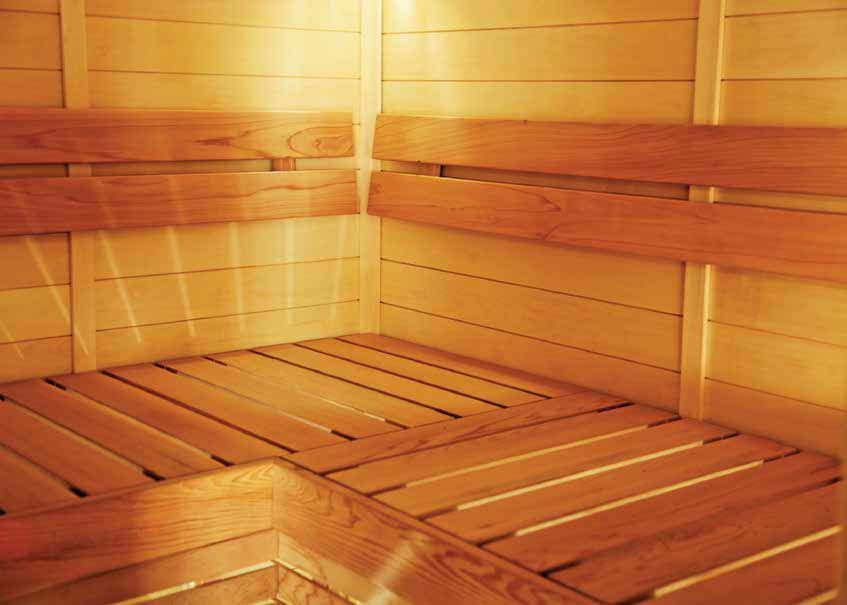
Benches, backrests and headrests are the timber your skin touches directly, so bench comfort comes first. The best bench slats are:
- Low-density wood. Light, soft timber has low thermal conductivity, which means it doesn't hold or pass heat to your skin the way dense timber does.
- Knot-free. Knots are denser than the surrounding wood, so they create hot spots and can weep resin.
- Smooth, with no splinters. Fine-grain wood construction gives benches a silky surface that stays comfortable session after session.
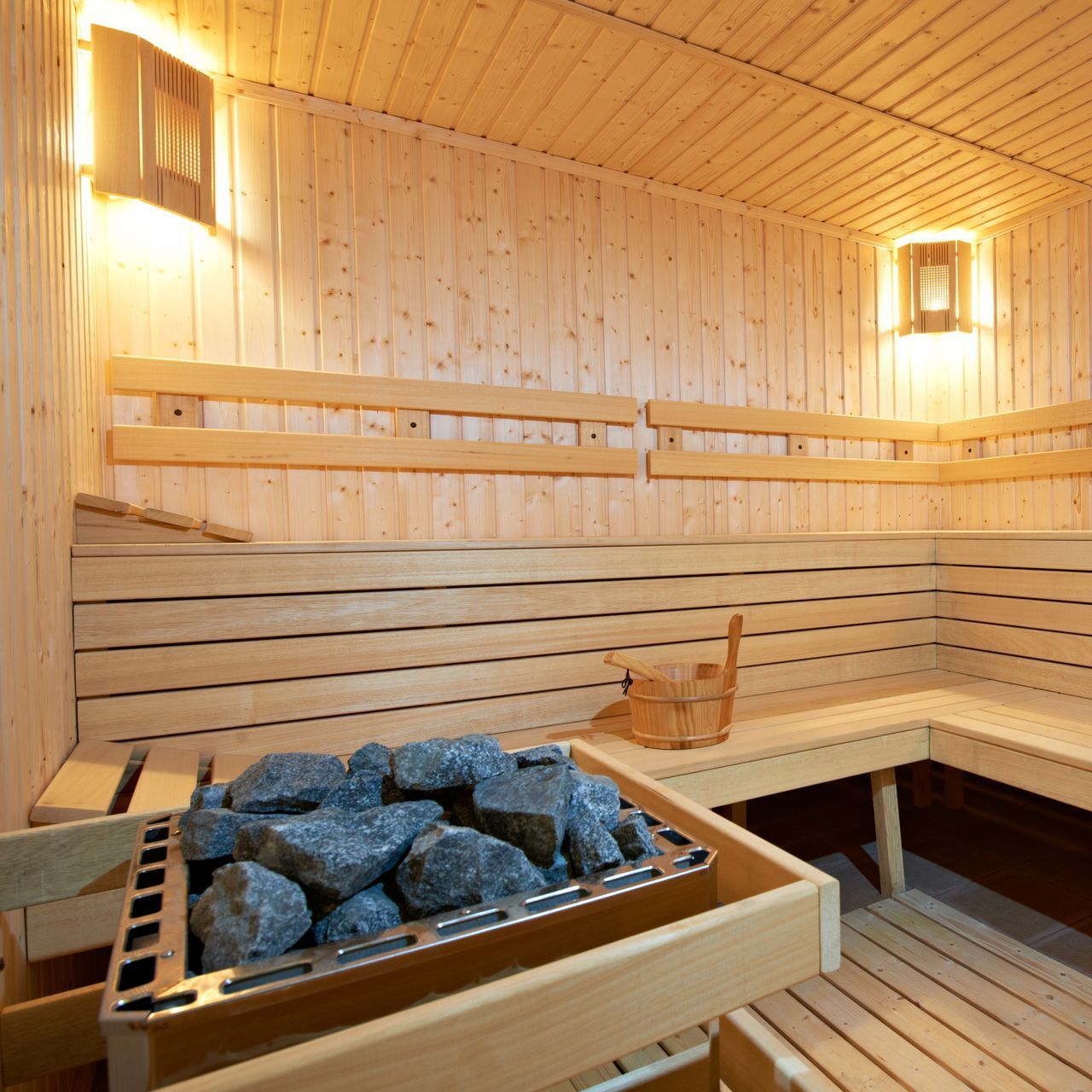
- Bench frames can be a sturdier timber, as long as they sit out of reach. Many Finnish-style saunas mix wood types for exactly this reason: Cedar with Aspen benches is one of the most popular combinations we build.
Outdoor sauna cladding
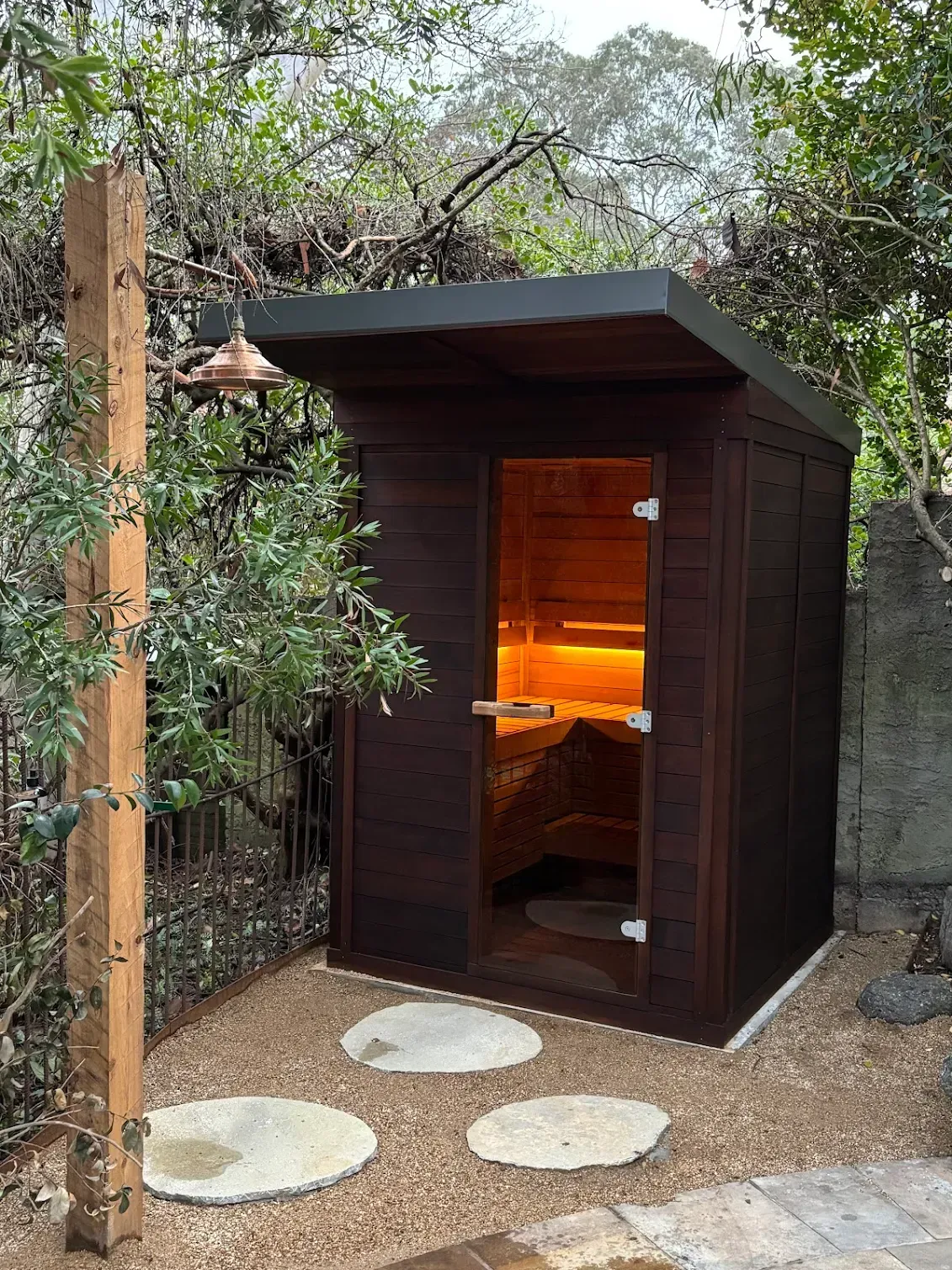
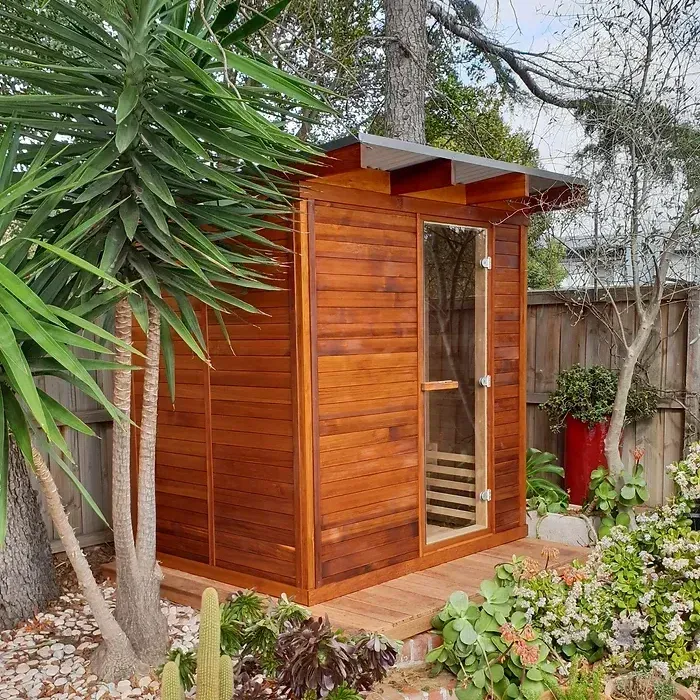
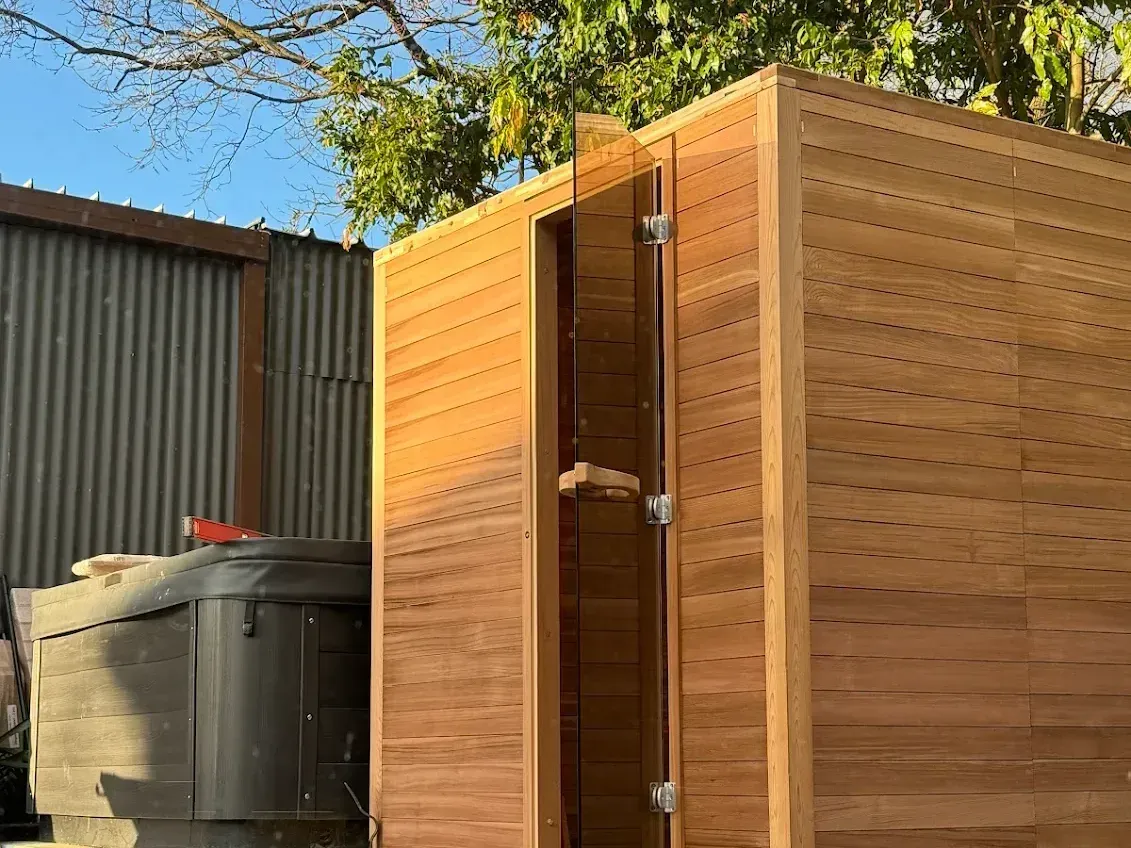
An outdoor sauna has to handle what the Melbourne weather throws at it: heavy rain, strong UV exposure, temperature swings and, closer to the bay or the coast, coastal humidity and salt air. Outdoor sauna cladding needs good outdoor rot resistance, proper weather protection and, in many parts of Australia, a plan for termite management.
Why Are Softwoods Best for Saunas?
Softwoods are best for saunas because their low density gives them low thermal conductivity, so they stay comfortable to touch in high heat. Almost every traditional sauna is lined in softwood for this reason.
Softwoods like Western Red Cedar, spruce and hemlock are light, open-celled timbers with low thermal conductivity. They warm up gently and don't hold heat at the surface, so you can lean back against the wall at 90°C without flinching. Most hardwoods are far denser, so they feel hotter to touch and are more likely to develop hot spots on benches.
Low-density wood also tends to be more dimensionally stable through heat and moisture cycling. That matters in a room that goes from room temperature to near boiling, then back again, several times a week.
Timber-by-Timber Breakdown
Here's what each species does well, and where it falls short.
Western Red Cedar
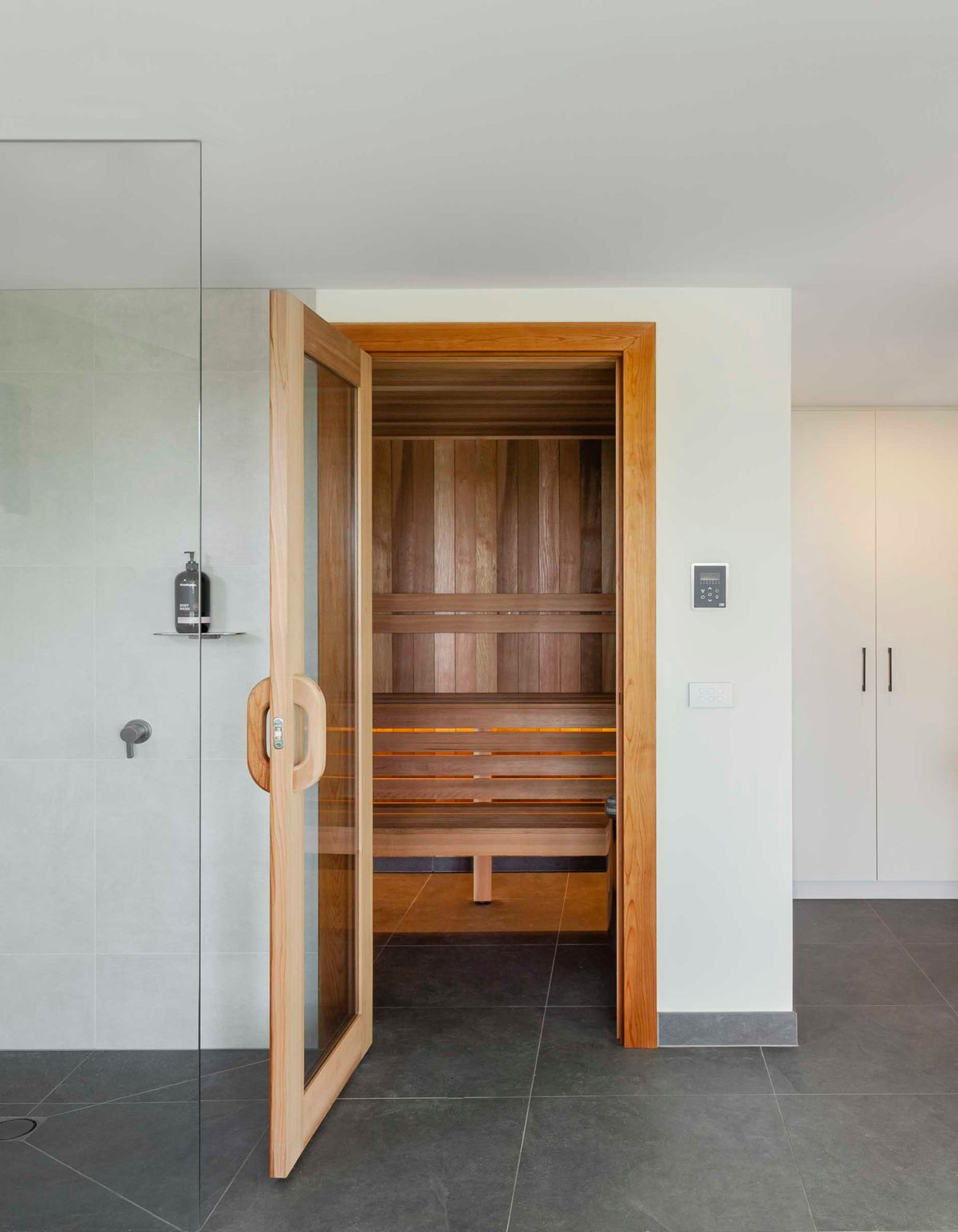
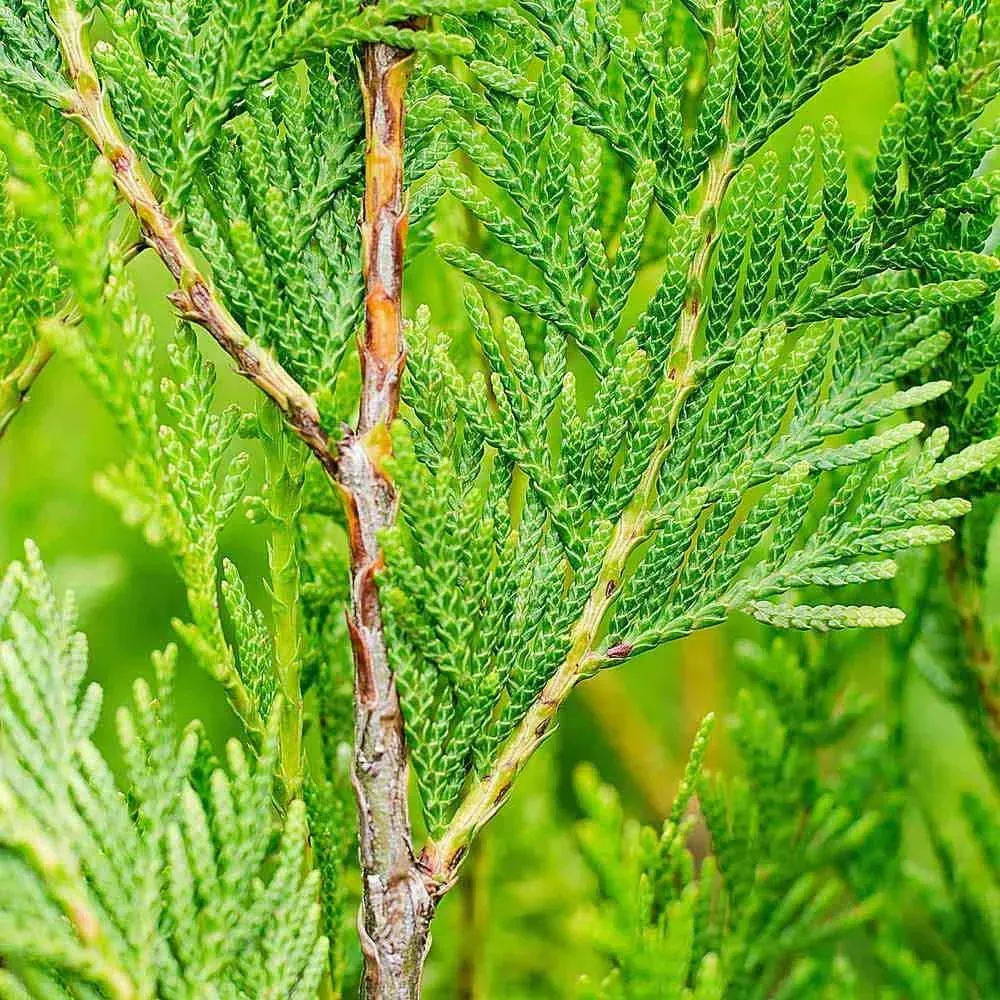
Western Red Cedar, also sold as Canadian Red Cedar, is the timber we build with most. It's the lightest, softest timber in the table, and its heartwood is naturally durable against decay fungi. Natural compounds in the wood, including thujaplicins, contribute to that durability. Cedar is also very stable, so it suits both indoor saunas and outdoor sauna cladding.
Its natural oils give cedar its distinctive aroma. Most people love it, but some prefer a neutral scent. If that's you, consider cedar walls with aspen benches, or a scent-neutral timber throughout.
The trade-offs:
- Cost. Cedar sits at the premium end. Because it lasts, many owners find it the better value over the life of the sauna.
- Softness. It picks up dents and scuffs more easily than harder timbers.
Canadian Hemlock
Canadian Hemlock is pale, even-textured and almost scent-free, with a clean, modern look. It's usually more affordable than cedar and performs well in indoor saunas, where conditions are controlled.
It's denser than cedar and isn't naturally decay resistant, so it's less suited to outdoor saunas. You may also see Eastern Hemlock in imported products; for sauna lining, Western (Canadian) Hemlock is the standard. For the full head-to-head, read our cedar vs hemlock sauna comparison.
Aspen and thermo-aspen
Aspen, usually quaking aspen, is pale, smooth and odourless, which makes it a favourite for benches, backrests and headrests. It stays comfortable to sit on and sands to a fine, splinter-free finish. Thermo-aspen, its thermally modified version, has a warm brown colour and better moisture resistance.
Basswood
North American Basswood behaves much like aspen: light, soft, fine-grained and odourless. It's common in North American sauna kits, but local supply in Australia is limited, so you'll mostly see it in imported kits.
Nordic Spruce and Thermo Spruce
Nordic Spruce is the traditional Finnish sauna timber. It's light, with only a very slight scent, but it's knottier than clear cedar and not naturally decay resistant. Thermo Spruce, its thermally modified version, is a popular choice for outdoor sauna cladding.
Other timbers you'll see overseas
Research sauna timber online and you'll come across these, mostly in North American and European builds:
- Alder and heat-treated alder. A smooth, low-density hardwood used for benches and lining in Europe.
- Poplar. A close relative of aspen, with similar uses.
- Alaskan Yellow Cedar. A pale, mild-scented, durable softwood with limited availability in Australia.
- Redwood. Naturally decay resistant and used in some US saunas, but rarely available here.
- Fir and Douglas Fir. Stronger, more resinous softwoods better suited to framing and structural roles than to lining or benches.
- White ash. A hardwood, usually used in its thermally modified form, that appears in some European saunas.
What Is Thermally Modified Wood?
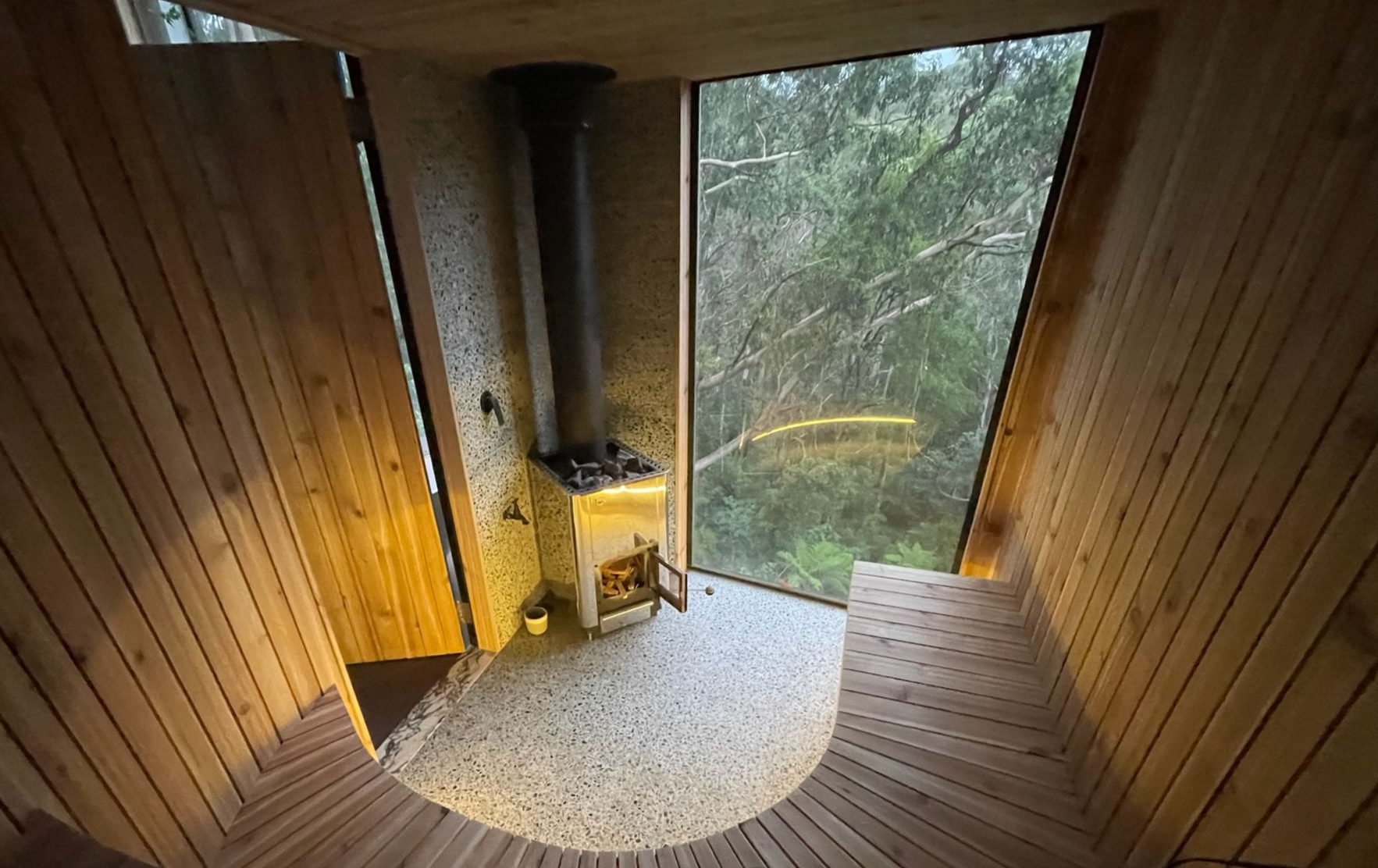
Thermally modified wood is timber that has been heated to high temperatures in a low-oxygen kiln. The process is chemical-free: it uses only heat and steam.
Thermal modification breaks down the hemicellulose and wood sugars in the timber, which are the parts that absorb water and feed decay fungi. The result is wood with:
- better dimensional stability and moisture resistance
- improved natural decay resistance
- a darker, even colour all the way through
- a light smoky scent when it's new
There's a trade-off. Thermal modification reduces bending strength and splitting strength, so thermally modified timber isn't suited to load-bearing structural use. It's used for cladding, lining and benches, not framing.
This makes thermally modified wood a strong option for an outdoor barrel or cabin sauna, where weather is the main threat.
Can You Use Pine for a Sauna?
We don't recommend pine for a sauna. Local radiata pine is resinous, dense and not durable enough for constant heat and moisture, and treated pine should never be used inside a sauna.
Pine is one of the most-searched sauna timbers in Australia because it's affordable and easy to find. But the pine sold locally is usually radiata pine, a plantation timber grown for construction, and it isn't a good match for a hot room:
- Sap leakage. Radiata pine is resinous. At 80°C or more, resin can soften and weep from boards and knots.
- Hot spots. It's around 40% denser than Western Red Cedar (515 vs 370 kg/m³), and its knots feel hotter still against your skin.
- Durability. Radiata pine heartwood is rated non-durable to perishable, so it won't stand up to constant moisture cycling.
Never use treated pine inside a sauna. Treated pine (the H-rated timber sold for decks, fences and garden beds) is impregnated with chemical treatments designed for outdoor and in-ground use. Those preservatives have no place in a small room you heat and breathe in.
You may see pine in European saunas. Slow-grown Nordic pine and thermally modified pine are different products from local radiata pine. If you're considering one of those, give us a call and we'll talk it through.
Can You Use Australian Hardwoods in a Sauna?
Most Australian hardwoods aren't a good choice for the hot room because they're dense, heavy and run hot to the touch. Australia grows some of the world's best hardwoods, so it's natural to ask whether eucalyptus or another local timber could work. In most cases, we'd steer you away from hardwoods for the hot room:
- Most eucalypts are dense. That means higher thermal conductivity, hotter benches and more hot spots.
- Weight. Dense hardwoods are heavy and harder to work into fine tongue and groove lining.
- Movement. They can move more through heat and moisture cycling.
One name that confuses buyers is Australian red cedar (Toona ciliata). Despite the name, it's an unrelated native rainforest timber, prized for furniture and in limited supply. It isn't the same as Western Red Cedar and isn't a standard sauna timber.
What Should You Check Before Buying Sauna Timber?
Before buying sauna timber, check its grade, heartwood content, moisture content at delivery, profile and fixings. Species is only half the decision. These specifications make the difference between a sauna that looks great for decades and one that gaps, stains or weeps in its first year.
Grade: clear vs knotty
Western Red Cedar is sold in grades, and you'll see names like:
- Clear Heart: heartwood with virtually no knots.
- A Clear: a premium clear grade.
- Select Knotty: sound, tight knots with a more rustic look.
Clear grade timber is the premium choice for benches, backrests and headrests. Knotty grades suit walls and ceilings and are more affordable. Avoid loose or open knots anywhere in a sauna, as they can drop out once the timber heats.
We stock Western Red Cedar in tight knot and clear grade lining, so you can mix: clear where you sit, tight knot on the walls.
Heartwood vs sapwood
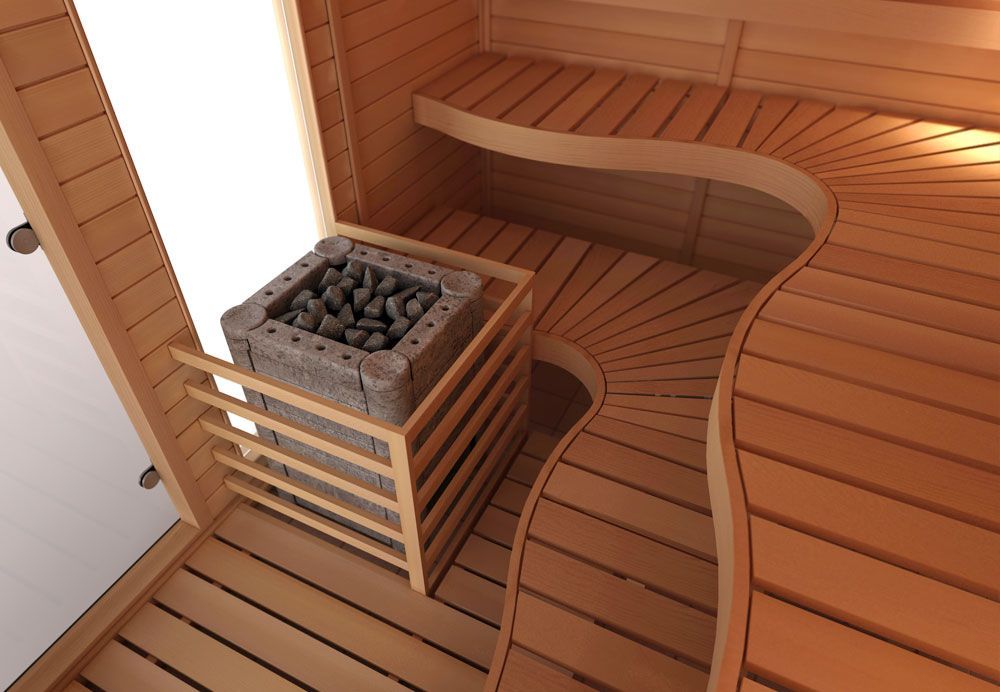
Heartwood is the denser, more stable inner part of the tree. In cedar, it carries most of the natural decay resistance. Sapwood is paler and less durable. Sauna-grade cedar should be predominantly heartwood.
Moisture content at delivery
Sauna timber should be kiln dried and at the right moisture content at delivery. Timber that's still carrying moisture will shrink once the heater runs, opening gaps between boards. If your timber has been stored outdoors or in a damp space, let it acclimatise indoors before installing.
Profile and tongue and groove (T&G) installation
Most sauna lining is tongue and groove, so boards lock together and fixings stay hidden. Our standard Western Red Cedar lining profile is 84 x 10 mm, in lengths from 1.8 to 2.7 m. Good tongue and groove (T&G) installation leaves a small expansion allowance, so boards can move without buckling.
Fixings
Use stainless steel or hidden fixings. Iron fixings can react with cedar's water-soluble extractives and leave dark stains, especially where moisture is present. Secret-nailing through the tongue keeps metal off the surface, so there's nothing hot to touch.
Heater clearances
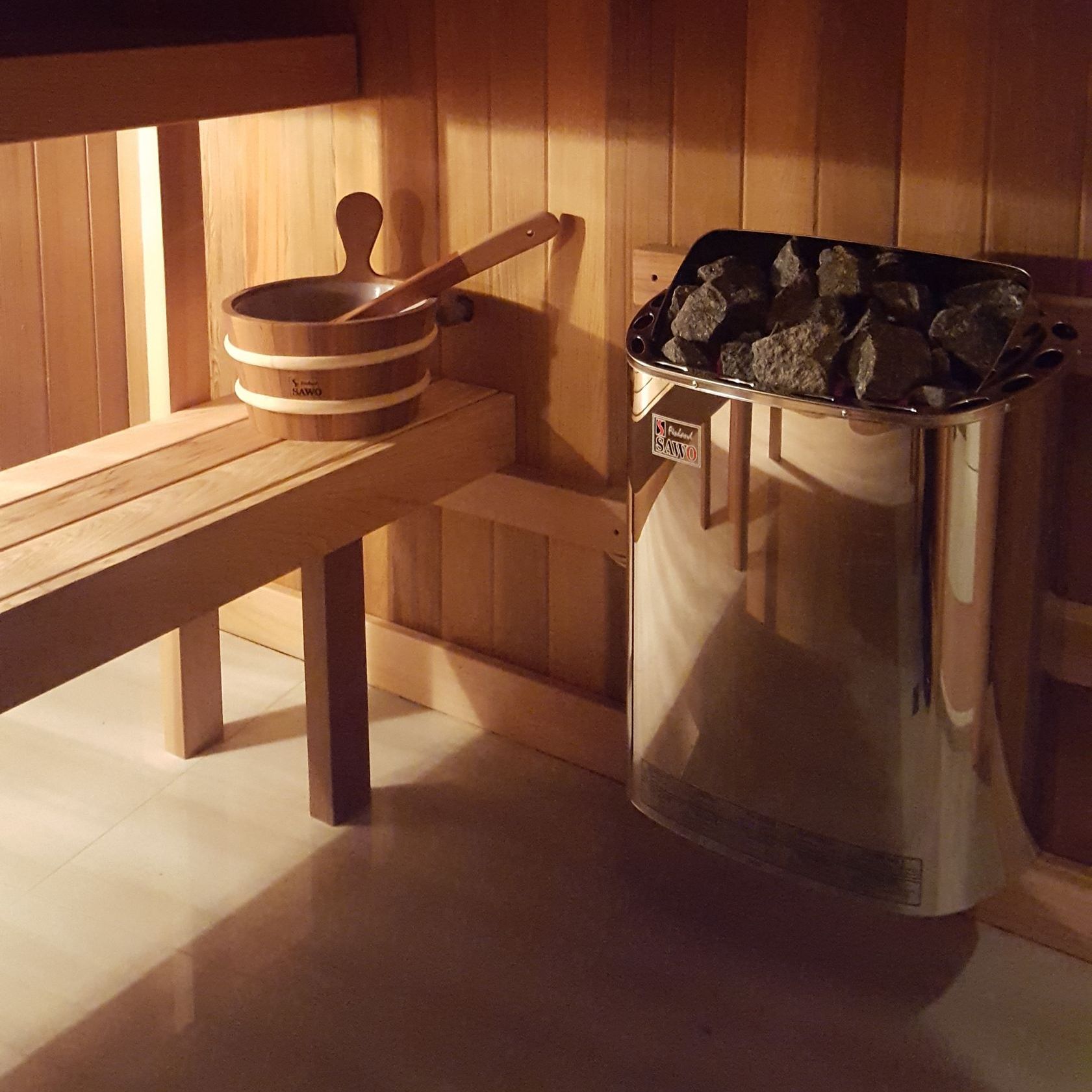
Always follow the heater manufacturer's clearances to timber. Every SAWO heater we supply comes with installation clearances for walls, ceilings and benches. As Victoria's exclusive SAWO Finland provider, we'll help you plan your layout around them.
Commercial rooms and multi-residential buildings
Saunas in commercial rooms, gyms or multi-residential buildings may need to meet National Construction Code fire hazard requirements for internal linings. Check with your builder or building certifier before you order.
What Should You Keep Out of a Sauna?
A sauna should be built from natural, non-toxic materials that are stable in the heat. Inside the hot room, avoid:
- Varnish, lacquer, paint or ordinary stain. These can soften, discolour or give off fumes in the heat.
- Plywood and VOC glues. Engineered boards rely on adhesives that aren't designed for high-heat interiors.
- Treated timber of any kind.
- Experimental materials. If a product isn't proven in sauna conditions, keep it out of the hot room.
How Do You Maintain Sauna Wood?
Sauna wood maintenance is simple: leave walls and ceilings unfinished, dry the room after every session, and wipe or lightly sand benches as needed.
- Walls and ceilings: leave them unfinished. Bare timber breathes, handles humidity and stays chemical-free.
- Benches: many owners leave them bare. Others apply a sauna-specific bench oil or sauna wax to make cleaning easier.
- After each session: leave the door ajar so the room dries out.
- Every few weeks: wipe benches down. A light sand brings back worn or marked areas.
- Outdoor cladding: use an exterior finish made for your timber and keep up its recoating schedule. Sealed end grain helps stop water-borne extractives from staining around cut ends.
A note for DIY builders
Cutting and sanding cedar creates fine dust. Western Red Cedar contains plicatic acid, which can irritate some people's airways. Use dust extraction where you can, wear respiratory protection such as a P2 mask, and work in a ventilated space.
So, Which Sauna Wood Should You Choose?
Walls and ceilings
Western Red Cedar, or Canadian Hemlock for a neutral scent and lower cost indoors.
Benches, backrests and headrests
Clear grade cedar, aspen or basswood, with no knots.
Outdoor saunas
Western Red Cedar or thermally modified timber such as Thermo Spruce.
Avoid
Radiata pine, treated pine, dense hardwoods, varnish and plywood inside the hot room.
Still deciding? That's normal. Most of our customers have a few questions about sauna timber before they commit, and we're always happy to help.
Ready to Start Your Sauna?
Whichever way you want to build, we'll help you choose the right timber.
Building your own?
Order Western Red Cedar lining, SAWO heaters and every material you need from our Heidelberg West warehouse, with Victoria-wide delivery.
Want a kit?
Our prefabricated cedar sauna kits arrive cut and ready to assemble.
Prefer it done for you?
Our team designs and builds custom saunas across Melbourne.
Not sure which timber suits your build?
Call us on 0429 303 271 or send us your plans, and we'll talk you through the options. You're welcome to visit our showroom at 23 Percy St, Heidelberg West, to see and feel the timbers in person.
Frequently Asked Questions

Victoria's Trusted Sauna & Steam Room Specialists
The Sauna Company provides end-to-end SAWO sauna/steam room services Victoria-wide:
- Comprehensive consultations pre-purchase
- Delivery statewide
- All of our sauna rooms are constructed from premium grade materials including circa 70mm thick double insulated wall panels which are lined on both sides with 14mm kiln dried western red cedar boards
- Certified carpenters build our custom saunas
- We utilise colour bond skillion roofs to our outdoor saunas
- Certified electricians handle install wiring
- All waste + rubbish is cleaned on-site at your convenience
- Ongoing post-purchase maintenance and customer service support
If you enjoyed reading about the best home saunas in Australia consider learning more about: